Comprehensive Senior Neurological Care Offerings
Specialized elderly cognitive support services serve a critical function in assisting people with memory challenges. These programs offer tailored care plans and structured environments that improve psychological health. Trained staff members deliver compassionate support, building relationships and participation. As loved ones look for the best options for their family members, understanding the features and benefits of these services becomes crucial. The journey of discovering the perfect match can lead to transformative experiences for both elderly individuals and their relatives.
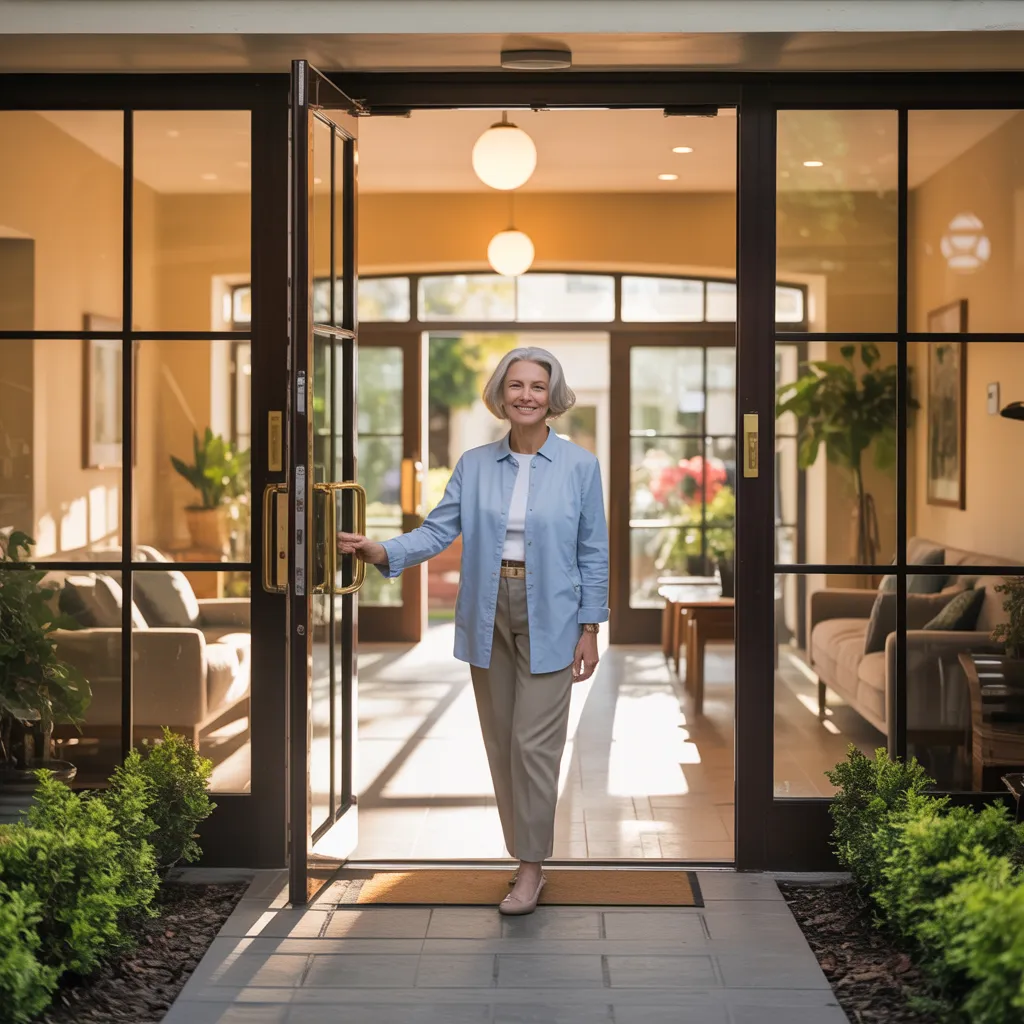
Handling Memory Loss: Understanding Memory Care
Handling memory loss demands a sophisticated understanding of memory care, as it encompasses multiple strategies tailored to individual needs. Memory care focuses on supporting seniors with mental decline, such as Alzheimer's disease or other forms of dementia. This expert approach aims to create a secure and organized setting that promotes autonomy while ensuring the welfare of inhabitants.
Effective memory care programs often feature personalized care plans, stimulating programs, and therapies created to enhance cognitive function. Staff members complete advanced education to understand the complexities of cognitive decline and to communicate effectively with patients. Furthermore, fostering social connections and psychological assistance is essential in improving quality of life for those affected. In summary, grasping memory care involves identifying the varied obstacles encountered by individuals with memory loss and the importance of customized approaches to address those difficulties effectively.
Essential Features of High-Quality Memory Care Programs
Effective specialized care services feature several essential features that boost the quality of life for seniors. Personalized care plans are essential, as they handle individual needs and preferences. Additionally, an dynamic activities program and experienced staff proficiency play significant roles in fostering a nurturing atmosphere for clients.
Tailored Wellness Plans
Personalized support plans serve as the cornerstone of effective memory care programs, customizing support to the unique needs and preferences of each individual. These plans are developed through comprehensive assessments, which evaluate cognitive function, medical history, and personal interests. This individualized approach ensures that caregivers can provide relevant and valuable support, improving the quality of life for residents. Regular reviews of these care plans allow for adjustments based on the individual's changing needs and progress. Additionally, involving family members in the planning process encourages collaborative relationships and promotes a holistic understanding of the resident's background and preferences. Ultimately, personalized care plans are vital in managing the complexities of memory care, ensuring that each resident receives caring and effective assistance.
Captivating Programs Schedule
A thoughtfully designed schedule of activities is vital in promoting cognitive engagement and interpersonal interaction within memory care settings. Such a framework commonly includes a variety of activities suited to the abilities and interests of residents. Possibilities may include from artistic activities and musical programs to collaborative discussions and cognitive games. Routine physical activities, like gentle movement or walking groups, can also enhance general wellness. Furthermore, incorporating tactile and sensory elements, such as meal preparation or gardening, can bring forth cherished memories and boost engagement. By centering on both personal activities and group pursuits, these initiatives not only cultivate cognitive activity but also deepen bonds among individuals. Finally, a well-organized program of activities
Trained Staff Expertise
Trained staff play a crucial role in the success of memory care programs, ensuring that residents receive the specialized support they need. Their expertise encompasses understanding various forms of dementia and efficient communication strategies designed for individual residents. Ongoing training in behavioral management techniques improves their ability to address challenging situations with compassion and patience. Additionally, staff members are equipped to implement personalized care plans that focus on the unique needs and preferences of each individual. This specialized training fosters a secure and nurturing environment, promoting cognitive engagement and emotional well-being. Ultimately, the proficiency of trained staff not only improves the quality of care but also enriches the overall experience for residents, making them feel valued and understood.
How Individualized Help Assists Alzheimer's and Dementia Individuals
While many people with Alzheimer's and dementia face distinct obstacles, customized support can greatly improve their overall well-being. Tailored care plans, developed based on individual needs and preferences, ensure that each person obtains the specific help that promotes their well-being. This approach not only handles everyday activities but also emphasizes emotional and mental support.
key part in making life more manageable and enjoyable for those dealing with Alzheimer's and dementia.
Picking the Right Memory Care Program for Your Family Member?
Finding the appropriate memory care program calls for a rigorous appraisal of the individual requirements of your family member. It is imperative to inspect the activities delivered through each program and how they match up with those requirements. In addition, reflecting on the qualifications of the personnel can be a pivotal component in safeguarding quality support and assistance.
Determine Specific Needs Prior to Anything Else
How can families ensure they pick the most appropriate memory care program for their loved ones? The first step involves a thorough assessment of personal requirements. Families should take into account the particular mental difficulties their loved ones experience, as well as their physical health, emotional state, and personal preferences. Understanding the unique combination of these factors can aid in identifying a program that aligns with their loved one's requirements. Additionally, families should assess the amount of support needed, including assistance with daily activities and any expert health services. Engaging in frank discussions with the loved one and speaking to healthcare professionals can better explain these needs, ensuring a more informed decision when selecting the appropriate memory care program.
Assess Program Services Provided
Assessing the options offered by memory care programs is key to confirm they meet the needs and preferences of residents. Stimulating activities can enhance cognitive function and foster social interaction, which helps improve overall quality of life. The programs should provide a variety of activities tailored to various cognitive levels, including arts and crafts, music therapy, and guided reminiscence sessions. Outdoor activities and physical exercises also play a significant role in promoting physical health and mobility. Furthermore, evaluating whether the activities encourage family involvement aids in building connections between residents and their loved ones. In the end, a comprehensive schedule that balances both mental and physical engagement can significantly contribute to a resident's emotional well-being and fulfillment.
Contemplate Workforce Capabilities Cautiously
best dementia care facility.
Memory Care Activities That Support Well-Being
Engaging in memory care activities can significantly improve the quality of life of seniors facing cognitive challenges. These activities are designed to stimulate mental abilities, improve social engagement, and promote emotional health. Activities such as brain teasers, memory games, and reminiscence therapy encourage mental engagement and help strengthen neural connections. Art and music therapy provide creative outlets, allowing seniors to communicate their feelings and connect with their emotions.
Physical exercises, like gentle exercises or dance, not only improve mobility but also elevate mood and reduce stress. Garden work and outdoor walks can enhance sensory engagement and foster a sense of accomplishment. Collective pursuits, such as storytelling or cooking classes, encourage socialization, minimizing sense of loneliness. Ultimately, customized memory support activities play an vital role in preserving respect and enhancing the quality of life for seniors, providing them with meaningful experiences that promote happiness and connection in their daily lives.
Means Loved Ones Contribute to Cognitive Support
Family members assume a key role in aiding memory care, as their contribution can markedly improve the quality of life for seniors confronting cognitive problems. By regularly staying connected, families help seniors stay connected, alleviating experiences of loneliness that often accompany memory loss. Engaged participation in care routines, such as supporting with daily activities and attending therapy sessions, nurtures a sense of confidence and reassurance.
Moreover, family members can champion their loved ones, guaranteeing their needs and wishes are satisfied within specialized dementia services. Recounting personal memories and life stories can stimulate mental engagement, making daily interactions more purposeful. Grasping the specific challenges of mental decline allows families to furnish tailored assistance, fostering a supportive setting. In essence, the see now psychological and hands-on involvement of relatives is essential, as it not only enriches the senior's experience but also fortifies family bonds through this challenging period.
Transformative Success Tales From Memory Wellness Programs
The engagement of loved ones in memory care not only boosts the mental health of seniors but also creates the foundation for outstanding progress within memory care programs. In one striking case, a resident named Margaret, who showed intense distress, experienced a notable transformation after her daughter began engaging in daily activities. Their quality time nurtured a sense of reassurance, bringing about enhanced communication with caregivers and fellow residents.
Correspondingly, a project in a local facility focused on personalized storytelling, enabling residents to recount their life experiences with family. This initiative not only enhanced seniors' confidence but also strengthened familial bonds, producing observable improvements in mood and cognitive engagement.
These success stories show that when families actively engage in memory care, they create an environment conducive to wellness and progress, demonstrating the profound impact of compassion and bonds in professional memory care environments.
Regular Inquiry Resource
What Certifications Should Staff Have in Memory Care Programs?
Caregivers in memory care programs should acquire pertinent certifications in geriatric care or dementia care, proficiency in managing behaviors, strong interaction abilities, care and understanding, and regular professional development to stay knowledgeable about best practices for aiding individuals with memory loss.
In What Ways Do Memory Care Programs Deal With Medical Emergencies?
Memory care initiatives typically create protocols for medical emergencies that contain staff training, immediate access to doctors and nurses, emergency response plans, and routine practice exercises to assure readiness for multiple serious scenarios affecting residents' health.
Are Pets Accepted in Memory Care Facilities?
Understanding of how animals benefit inhabitants' psychological wellness has made many care environments receptive to animals. These facilities regularly allow pets, cultivating interpersonal connection and alleviating stress among individuals with memory challenges.
How Much Does Memory Care Rate on Average?
Memory care services generally expense between $3,000 to $7,000 monthly, contingent upon location, amenities, and the level of care needed, as many facilities present multiple pricing options to address varying needs.
In What Ways Should Relatives Interact With Staff About Their Family Member's Needs?
Families can interact productively with staff by scheduling regular meetings, sharing detailed observations, inquiring into care methods, and expressing concerns. Transparent communication encourages teamwork and guarantees that the loved one's needs are regularly fulfilled.